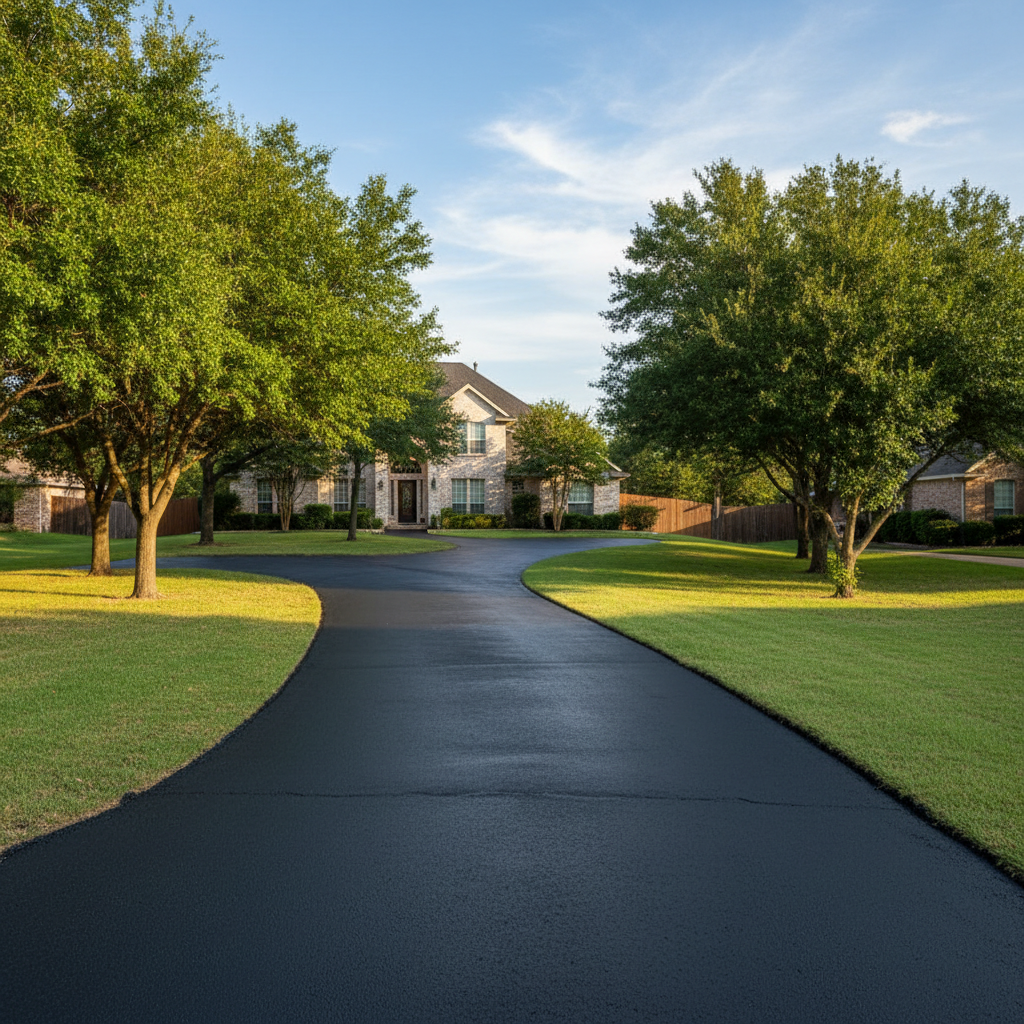
So, you've gone ahead and sealcoated your Hutto driveway or parking lot. That's a really smart move, honestly. Think of it like putting sunscreen on your skin or a clear coat on your car—it shields the asphalt from the brutal elements and makes it last longer. But just getting it done? That's only half the battle. To truly get your money's worth and keep that asphalt looking sharp, you've got to take care of it. Here’s what I’ve picked up over the years that really makes a difference.
Making Your Sealcoat Last Longer
The absolute biggest thing you can do right after a fresh sealcoat is just let it cure properly. I know, I know, it’s super tempting to drive on it, but you absolutely have to give it time. We usually tell folks to stay off it for at least 24 to 48 hours, maybe even longer if it’s humid or a bit cooler outside. And don't even think about parking heavy vehicles on it for a few days after that. That initial cure is critical; it lets the sealcoat bond correctly and form that tough, protective layer.
Beyond that, it’s all about being careful. Try to avoid harsh chemicals like gasoline or oil spills just sitting on the surface. If you do spill something, clean it up fast. That stuff eats away at asphalt and sealcoat alike, you know? Also, if you can, try to keep heavy equipment off it. Things like dumpsters or big construction vehicles can really stress the surface, even a sealed one. We see a lot of this kind of wear and tear in older neighborhoods, like Star Ranch, where people are often tackling big home improvement projects.
Regular Maintenance: Keep It Clean, Keep It Strong
Regular maintenance for a sealed surface isn't exactly rocket science, but it honestly makes a world of difference. Just think of it like washing your car.
- Keep it clean: Sweep off dirt, leaves, and other debris regularly. This stops organic stuff from breaking down and holding moisture right against the surface. A leaf blower? Works like a charm for this.
- Watch out for weeds: Weeds can push right through cracks, even tiny ones, and really mess up your asphalt. Pull them out as soon as you spot them. A little weed killer on the surface can help too, but just be careful not to use anything that might stain or damage the sealcoat itself.
- Fix small problems: If you notice a small crack starting, don't just ignore it. Get it filled. A small crack can turn into a huge pothole really fast, especially with our Hutto weather. Those freeze-thaw cycles we get, even if they're not as extreme as up north, can still make little cracks grow into big problems once water gets in there and expands.
These simple steps stop small issues from turning into expensive repairs down the road. It’s all about being proactive, right?
Warning Signs: What to Look For
Your asphalt will definitely tell you when it needs some attention. You just need to know what to look for. Here are a few red flags:
- Fading color: If that rich black color starts to look gray, it means your sealcoat is wearing thin, and the sun's UV rays are getting to the asphalt binder. That’s its main job, after all—to block those rays.
- Surface flaking or peeling: This is a pretty clear sign the sealcoat isn't doing its job anymore. It might have been applied wrong, or it's simply reached the end of its life.
- New cracks appearing: Sure, small hairline cracks are normal over time, but if you start seeing a whole network of new cracks, often called 'alligator cracking,' that's a sign of structural failure underneath. The sealcoat isn't helping anymore.
- Potholes or depressions: These are obvious signs of serious trouble. Water is getting in, and the base material is failing.
- Loose aggregate: If you're noticing small stones coming loose from the surface, the binder is weakening.
Don't wait until these problems get really bad. Catching them early saves you money and a whole lot of hassle.
When to Call a Professional
Look, I'm a big believer in doing things yourself for some projects, but asphalt repair, especially anything beyond basic cleaning, usually isn't one of them. You should definitely call a professional like us at Oasis Asphalt Inc when:
- You see extensive cracking: If it’s more than just a few small hairline cracks, you really need an expert to figure out what’s going on underneath.
- Potholes are forming: These need proper patching and often some base repair. A quick cold patch might be a temporary fix, but it won't last, trust me.
- The sealcoat is visibly failing across a large area: If it's peeling or flaking everywhere, it's time for a new application, and you want that done right.
- You're not sure what's causing the problem: Sometimes it's hard to tell if it's just surface wear or a deeper structural issue. We can come out, take a look, and give you an honest assessment.
- It’s been 2-3 years since your last sealcoat: Even if it still looks okay, a fresh application every few years is good preventative maintenance to keep it protected.
We’re right here in Hutto, so we understand the local conditions—the expansive clay soils, the intense summer sun, those occasional heavy downpours. All these things really impact your asphalt. Don't let a small issue turn into a major headache. A little proactive care and knowing when to call in the pros will keep your asphalt looking good and performing well for years to come.