Alright, let's talk asphalt milling. You might have seen those big machines chewing up old pavement on the highway or even around some of the older parts of Hutto, maybe near Star Ranch or the downtown area. For homeowners, especially if you've got a long driveway, a private road, or even a large parking area, milling can be a really smart option. It's not just for the big guys.
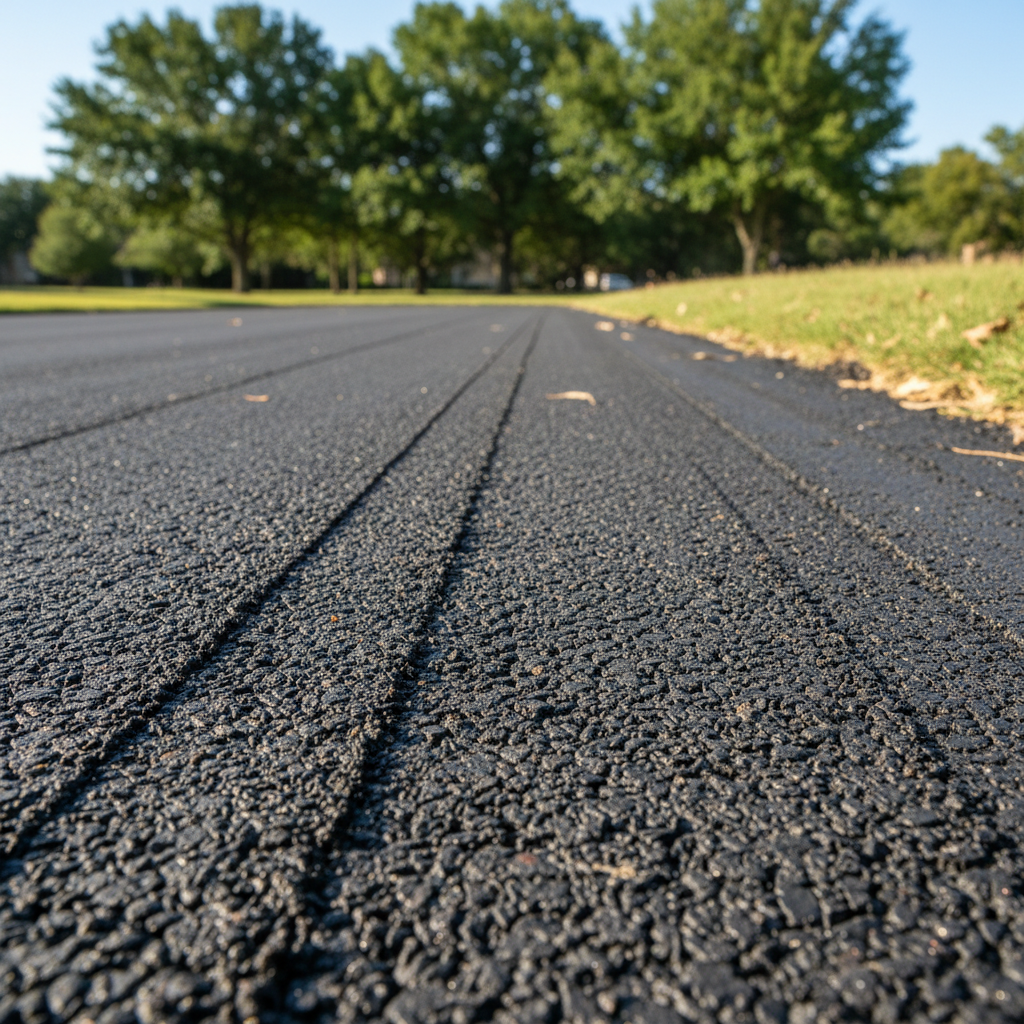
So, what exactly is asphalt milling? Simply put, it's the process of removing the top layer of an existing asphalt surface. We use specialized equipment to grind down the old pavement to a specific depth, leaving behind a rough, textured surface. That material we take off? That's called reclaimed asphalt pavement, or RAP, and it's actually pretty valuable stuff, often recycled into new asphalt mixes. It's an environmentally friendly approach, which is a big plus.
When Does Milling Make Sense for You?
You've got cracks, potholes, or maybe your driveway just looks tired and worn out. You're probably thinking, "Do I need a whole new driveway, or can I just fix this?" Milling sits right in the middle, offering a great alternative to a full tear-out and replacement. Here's when I usually recommend it:
- Surface Deterioration: If the damage is mostly on the surface – alligator cracking, raveling (where the aggregate starts coming loose), or minor rutting – but the base layer underneath is still solid, milling is a perfect candidate. You're essentially shaving off the bad stuff.
- Drainage Issues: Sometimes, over years of patching or just settling, your asphalt might not drain right. Water pools in certain spots. Milling allows us to re-establish proper slopes and grades, fixing those puddles without tearing everything up.
- Cost-Effective Resurfacing: A full tear-out and replacement is expensive, no two ways about it. Milling is usually more budget-friendly because you're not removing and replacing the entire structure. You're just taking off the top, then putting a fresh layer of asphalt back down.
- Height Restrictions: If adding a new layer of asphalt would make your driveway too high – maybe it would interfere with garage doors, curbs, or sidewalks – milling removes material first, allowing you to add a new layer without raising the overall height.
If your driveway is completely shot, I mean, the base is failing, you've got huge potholes that go all the way through, or it's just crumbling everywhere, then milling might not be enough. At that point, you're probably looking at a full reconstruction. But for a lot of common issues, milling is a solid bet.
Before the Project: What You Can Do
This is where you, the homeowner, can really help yourself and save some headaches. Before anyone even thinks about bringing a milling machine onto your property, you need to do some prep work.
- Clear the Area: Get everything off the asphalt. Cars, boats, basketball hoops, potted plants, kids' toys – anything that isn't bolted down needs to go. We're talking about heavy machinery here, and you don't want anything getting damaged or getting in the way.
- Mark Sprinklers and Utilities: This is huge. If you have any sprinkler heads, buried dog fences, low-voltage lighting, or anything else near or under the asphalt, you need to mark them clearly. Use bright spray paint or flags. We're grinding down, and if we hit something buried, it's a problem. Trust me, it's better to spend an hour marking than to deal with a broken water line.
- Talk to Your Neighbors: Especially if you're on a shared private road or if the work will affect their access. A heads-up goes a long way.
- Understand the Plan: If you're hiring a pro like Oasis Asphalt Inc, make sure you understand exactly what they're going to mill, to what depth, and what the next steps are (e.g., will they be paving immediately after?).
For the average homeowner, the actual milling itself is not a DIY job. You're not going to rent a milling machine from Home Depot. This requires specialized, expensive equipment and experienced operators. But the prep work? That's all you, and it makes a huge difference.
During the Project: What to Expect
Once the crew shows up, it's going to be noisy and dusty. That's just the nature of the beast. The milling machine will systematically remove the top layer of asphalt. You'll see a lot of fine dust in the air, and the ground will be covered in that reclaimed asphalt pavement material.
- Dust Control: A good crew will try to control dust with water, but expect some. Keep windows closed on your house and cars.
- Material Removal: The RAP will be loaded directly into dump trucks and hauled away. Sometimes, if you're just doing a small area and plan to use the RAP for a gravel path or fill somewhere else on your property, you can discuss keeping some with your contractor.
- Uneven Surface: After milling, the surface will be rough and uneven. It's not suitable for driving on at high speeds, and it can be a bit messy. It's usually best to limit access until the new asphalt is laid.
Again, your role here is mostly to stay clear, keep pets and kids away from the work zone, and let the professionals do their job. Don't try to "help" operate equipment or walk too close to the machines.
After the Project: The Next Steps
Once the milling is done, you're left with a prepared surface ready for a new layer of asphalt. This is typically followed by:
- Cleaning and Tack Coat: The milled surface needs to be thoroughly cleaned of any loose debris and dust. Then, a tack coat – a sticky asphalt emulsion – is sprayed on. This acts like glue, ensuring the new asphalt layer bonds properly to the milled surface. Don't skip this step; it's critical for longevity.
- New Asphalt Paving: Fresh hot mix asphalt is then laid over the tack-coated surface, compacted, and smoothed. This is where your driveway gets its new, smooth, black finish.
- Curing: Once the new asphalt is down, it needs time to cure. This isn't like concrete that dries; it cools and hardens. You'll usually need to stay off it for a few days, maybe longer if it's a really hot Hutto summer day. Your contractor will give you specific instructions.
You might be wondering if you can just leave the milled surface as is. Some folks do, especially for temporary roads or low-traffic areas. Milled asphalt, when compacted, can provide a decent, albeit rough, surface. It's not as durable or smooth as fresh asphalt, and it can break down over time, especially with our Central Texas sun and occasional heavy rains. If you're looking for a long-term solution for your main driveway, you'll want that new layer of asphalt on top.
Milling is a fantastic technique for breathing new life into an old asphalt surface without the full expense and disruption of a complete overhaul. If you've got questions about your specific situation or need an estimate, don't hesitate to give us a call. We're happy to take a look and give you an honest assessment.